Austria - Perjentunnel - Highway More Information …
The Gleinalm Tunnel on the Pyhrn Autobahn A9 is approximately 8.3 kilometers long and is one of the most important north-south connections in the Austrian highway network. It passes under the Gleinalpe in Styria and provides a central connection between Upper Styria and Southern Styria.
The first tunnel tube was built between 1973 and 1978 and opened to traffic in 1978. Due to the steadily increasing volume of traffic and to improve traffic safety, a second tube was built between 2013 and 2017. Since 2017, traffic has been able to use both tubes, significantly improving capacity and safety levels.
The ventilation shafts of the structure
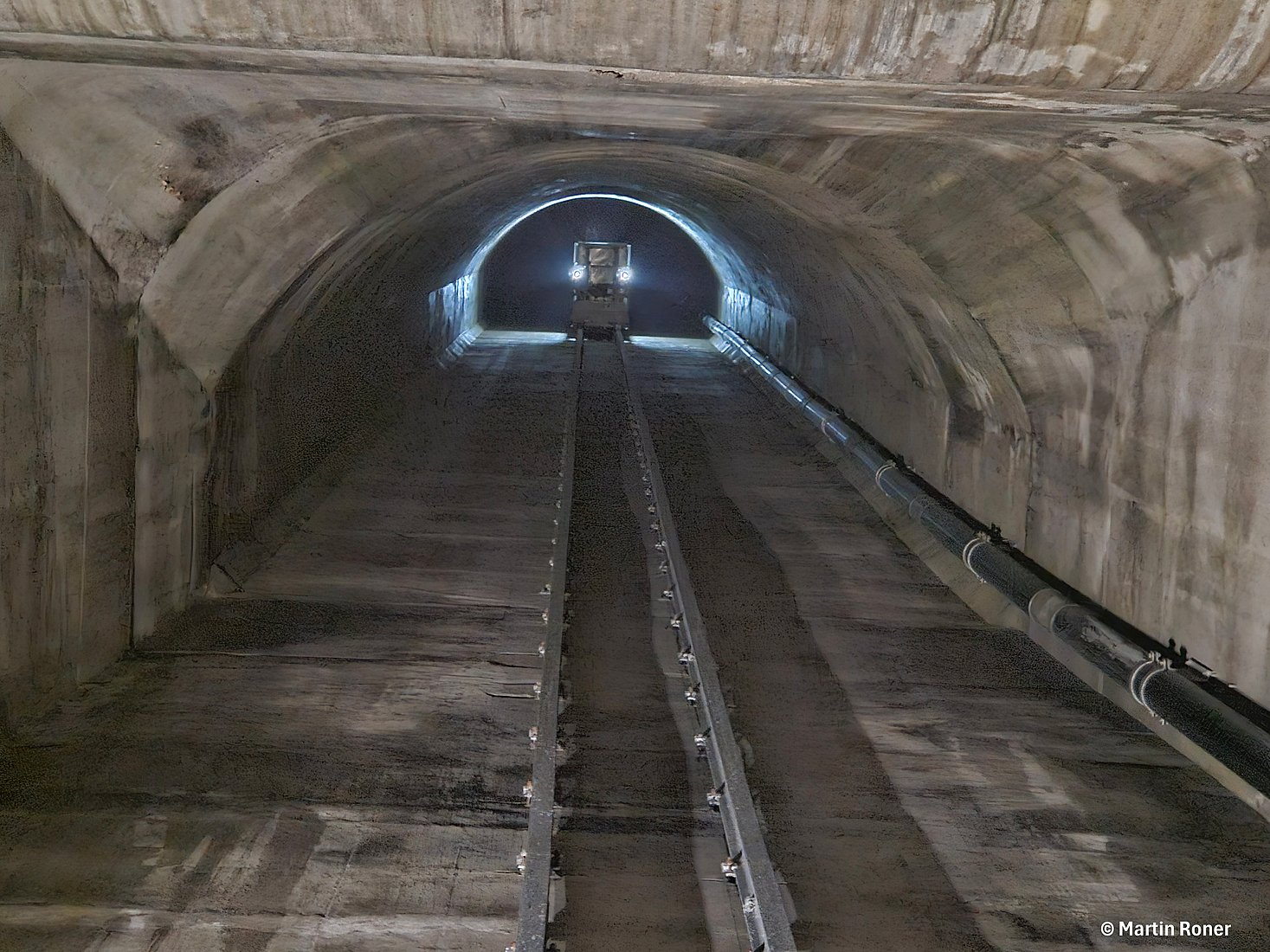
The Gleinalm Tunnel has two ventilation shafts that enable controlled supply and exhaust air flow into the central tunnel sections of both tubes.
During normal operation, fresh air is continuously fed into the driving area to remove pollutants and ensure a safe tunnel climate. In the event of a fire or emergency, the smoke extraction system enables targeted smoke extraction. This keeps escape and rescue routes smoke-free and significantly improves conditions for emergency services.
The shafts are structurally separated: one half is used for fresh air supply, the other for exhaust air extraction. This functional separation ensures efficient and controlled air flow in all operating conditions and increases the operational safety of the entire structure.
High-resolution documentation on behalf of ASFINAG
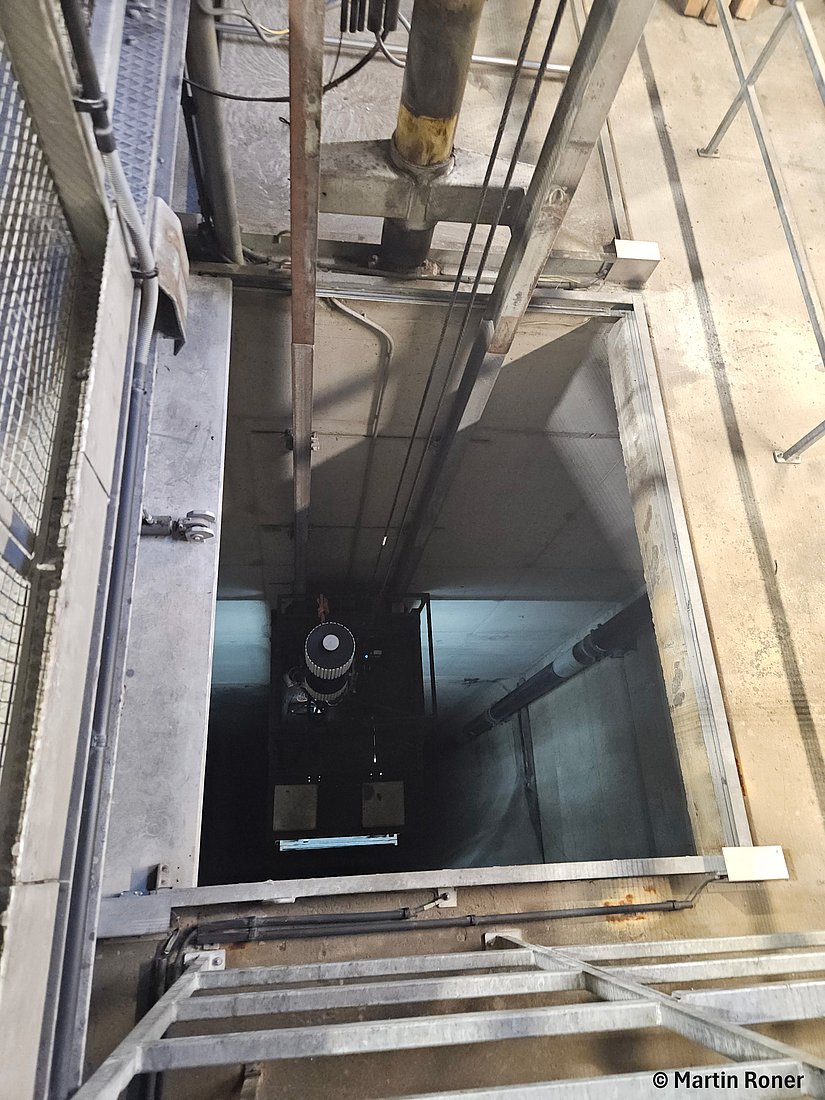
ASFINAG commissioned Dibit to produce high-resolution documentation of the interior of two ventilation shafts, one 379 m deep (north) and one 290 m deep (south), each with a diameter of 6.5 m. The aim was to record the structural condition in detail and create a precise basis for future inspections.
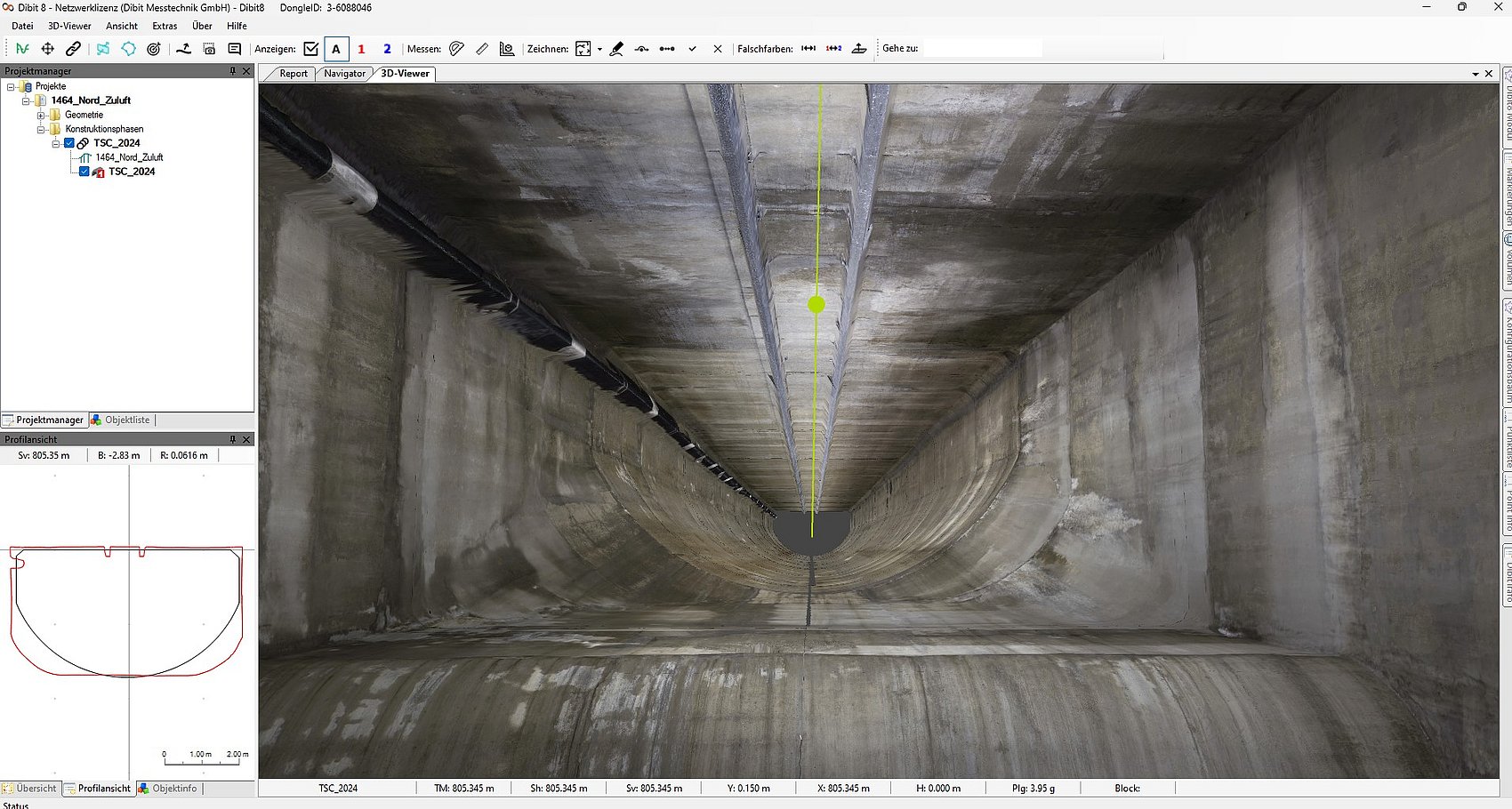
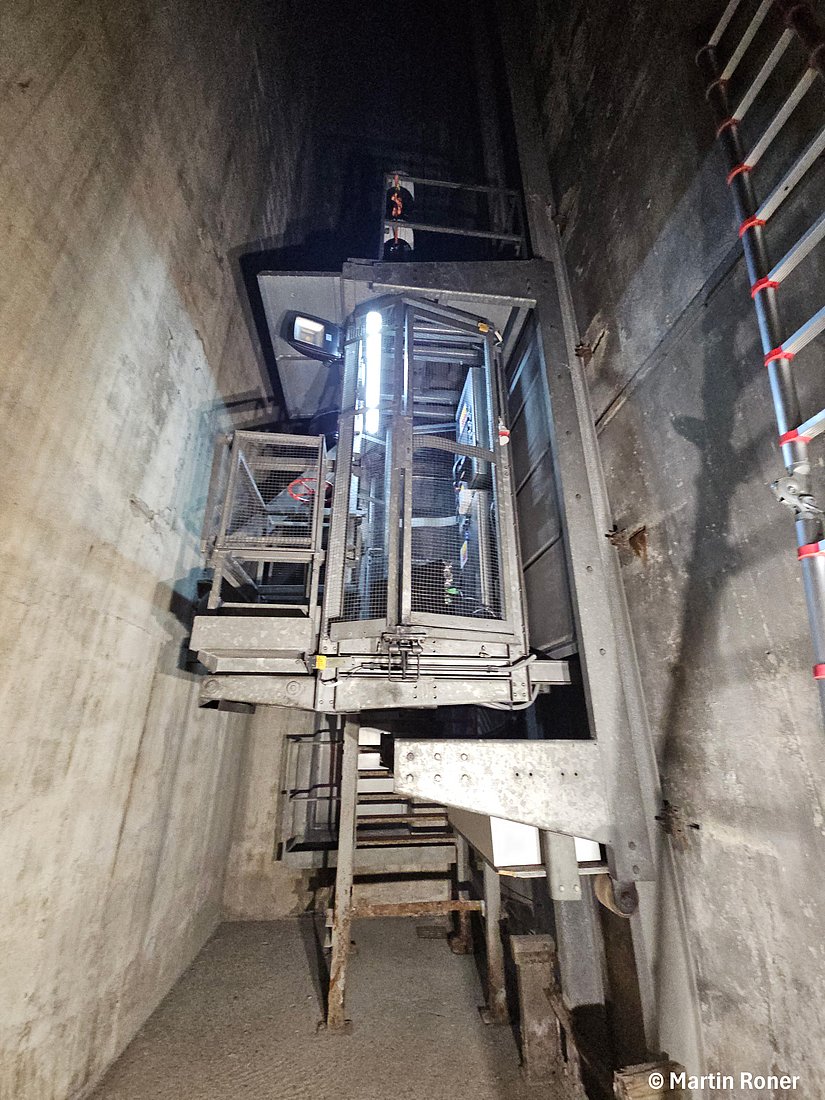
The “Altira” measuring system, mounted vertically on a specially developed tripod, was used. With several 360-degree cameras, it captures the entire surface of the shaft. High-resolution images, evenly illuminated by an integrated flash system, are taken at regular intervals in the direction of movement.
The supply and exhaust air sides of the shaft were measured separately using the “Altira.” The camera unit was mounted on the roof of each elevator used.
Each measurement run—both upward and downward—took around 30 minutes. The scanning process was carried out during the upward and downward movements, ensuring complete, seamless coverage of the surfaces.
The image data obtained was then processed photogrammetrically and georeferenced.
Precise results as a basis for future structural inspections
As a result, ASFINAG receives high-resolution orthophoto plots on which cracks ≥ 0.3 millimeters wide are visible. Based on this data, test engineers can analyze the structural condition, structural integrity, and possible damage developments in a targeted manner.
The digital documentation also provides a reliable reference for future measurements. Changes over time can thus be precisely tracked and evaluated—a significant contribution to the long-term safety and value retention of this important piece of infrastructure.
Using state-of-the-art measurement technology, a structure was documented that safely carries thousands of road users through Styria every day—and will continue to meet the highest safety standards in the future.